How Australian trade businesses are automating their quoting in 2026
In short
Australian trade businesses are automating quoting by letting a system build the quote from their own price book, labour rates and margins, then reviewing it before it goes out. It matters because clients commit to whoever responds first with a clear price. The practical way in is to automate one common job type, prove it, then add the next.
If you run a trade business in Australia, you know the squeeze. Material prices move, good people are hard to find, and clients want a price this week, not next. Somewhere in there you are still pricing a paved alfresco area at the kitchen table at 9pm.
The businesses winning the good jobs tend to be faster with the quote, because a system does most of the building.
What does quote automation actually mean?
Quote automation means a system builds the quote from your own price book, labour rates, margins and terms, based on a description of the job. You review and send it. Each quote is still specific to the job: the maths and formatting you already know how to do are done for you, the same way every time.
The information that makes a quote accurate already exists in your business: labour rates, material costs, markup, standard inclusions and terms. Most businesses enter it once when they set up Fergus, then build every quote by hand anyway. Automation puts that data to work.
Why are Australian trade businesses automating quoting now?
Three pressures make it worth doing now: clients commit to whoever responds first with a clear price, material costs move faster than a hand-kept price book, and owner time is scarce. The tools have also caught up, and quote automation can now be built inside the platforms many Australian trade businesses already use.
Clients respond to whoever answers first
Research published in Harvard Business Review on online sales enquiries found businesses that responded within an hour were nearly seven times as likely to qualify the lead as those that waited even an hour longer. A quote that arrives days after the site visit starts behind one that arrived the same afternoon.
Prices move and price books drift
Timber, steel, concrete and aggregate prices shift through the year. A price book last updated six months ago either leaves money on the table or prices you out. A system that quotes from one maintained price book keeps every quote current at once.
Owner time is the scarcest resource
Every hour spent building quotes at night is an hour not spent on site, on sales or at home. Automation keeps the same number of quotes going out, or more, with far less of that time.
What does automated quoting look like on a real job?
In practice the owner or estimator describes the job on site, the system builds a priced draft from the price book, and the owner checks and sends it before leaving. The examples below are illustrative, and they show the pattern across three common Australian outdoor jobs.
A landscaper in Brisbane
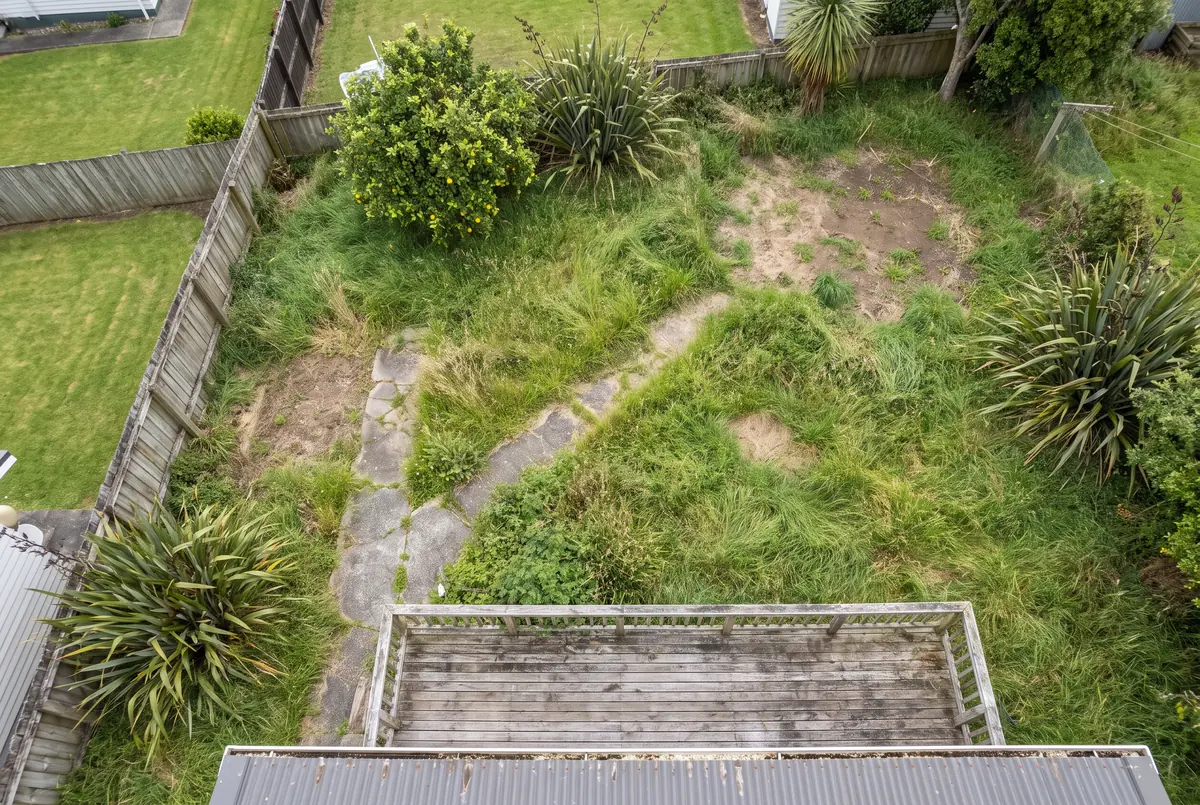
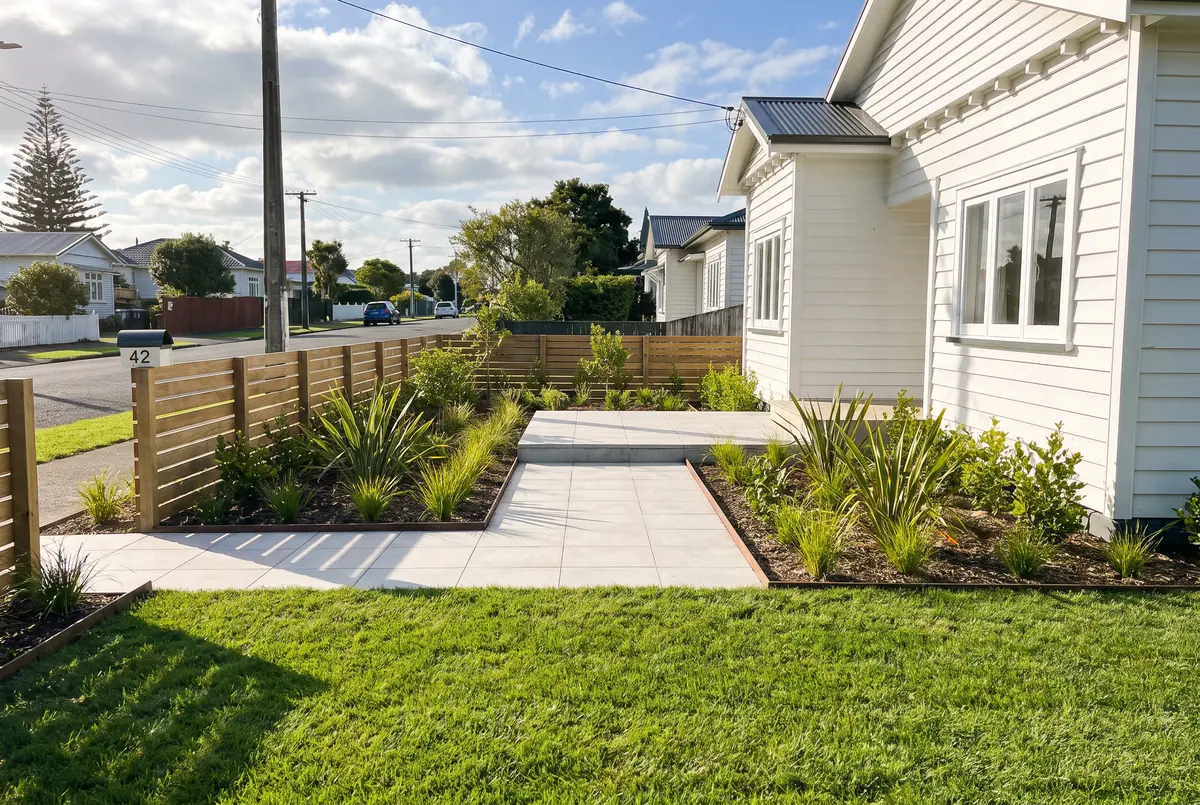
Site visit for a backyard makeover in Albion: 40 m² of exposed-aggregate alfresco, garden beds with edging, turf and irrigation. On site you enter the areas, access notes and finish. The system calculates quantities, applies your labour rates and margin and lays the quote out in your template. You adjust the excavation allowance for clay and send it from the ute. The client has the price within the hour.
A concreter in Melbourne
An enquiry comes in for a 60 m² driveway in Footscray, with removal of the old slab. The system builds a draft from your standard driveway rates: demolition and disposal, base, reinforcement, pour and finish. You add a pump allowance for the narrow side access, approve it and send it. Ten minutes of your time.
A deck and pergola builder in Perth
You quote a lot of decks and pergolas and the process is well known, yet each quote still takes 45 minutes of working out joists, bearers, posts, footings, decking and roofing. With the specs entered (size, height, timber species, roof type, access), the system builds the quote with the same calculations every time. It takes ten minutes, and the numbers are more consistent than a tired evening estimate.
Can automation handle custom or complex jobs?
Automation handles the standard work so you have time for the custom work. Most businesses find a large share of their quotes are variations on jobs they have done many times. Automate those, and your judgement goes where it is needed: the architectural job, the difficult site, the one-off design.
If you build decks, most quotes are variations on a handful of designs. If you pave, most are patios, paths and driveways in a few finishes. The system builds those, and flags anything outside the normal range for your review. Your judgement stays in charge of what goes out.
How does ArcQuote work for Australian businesses?
ArcQuote is the WorkArc quoting system, built inside Fergus with Xero for accounts. It quotes from your own price book, labour rates and margins, handles GST the way your accounts are set up, and keeps the quote in your job management platform so the job and invoice follow from it.
- It uses your real numbers. When your rates change in the price book, every new quote reflects it.
- It is fast. Enter the job from site and review the draft before you leave the driveway.
- It stays connected. The quote, job and invoice sit in the same records, so nothing is retyped.
- It keeps improving. WorkArc tunes the system as your pricing, job types and margins change.
How do you start without overhauling everything?
Start with the one job type you quote most often. Set it up, run it for a few weeks, and compare the time per quote and the win rate with before. Then add the next job type, and keep building from there.
Pick your bread and butter: decks, driveways, retaining walls, paving, whatever makes up most of your quotes. Get that one right before touching the rest. Pair it with ArcChase, so every quote that goes out faster also stays in view until it is won or lost.
Sources
- The Short Life of Online Sales LeadsHarvard Business Review, March 2011