How NZ trade businesses are winning more jobs in 2026
In short
The NZ trade businesses winning more work in 2026 are winning on speed and consistency more than price. They quote within a day of the site visit, follow up every quote on a set cadence, present professionally, give the crew live job information, and keep one record from quote to invoice so nothing is retyped.
New Zealand’s building and construction sector had more than 80,000 enterprises in 2023, and MBIE reported that labour shortages persist. Most jobs worth having get several quotes, and every business quoting them can do the work. Being good on the tools gets you onto the shortlist. What gets you the booking is usually how fast and how well you handle everything around the work.
The three scenarios below are illustrative patterns we see often in New Zealand outdoor construction businesses, not specific clients. Each one shows a different place where work gets lost, and what changes when a system takes the routine part.
What are the businesses winning more work doing differently?
They win on speed and consistency. They quote within a day of the site visit, follow up every quote on a set cadence, send professional documents, give the crew live job information, and keep one record from quote to invoice. None of this needs lower prices or better workmanship. It needs a system that does the routine part every time.
The rest of this article shows how that plays out in three common situations, and what the businesses have in common.
How does a landscaper stop losing winnable quotes to silence?
A landscaper stops losing quotes to silence by getting quotes out the same day and following up every one on a fixed cadence until there is a clear yes or no. The prices and the work stay the same. What changes is that no quote disappears after it is sent.
Picture a West Auckland landscaping company with three crews, doing full outdoor living builds worth $30,000 and up. Good work, fair prices, solid reputation. Yet a large share of quotes never turn into anything, and the owner has no idea why, because once a quote is sent it is out of sight.
The old process:
- Site visit, notes in a notebook.
- Home that evening, or two days later, open the laptop.
- Most of an hour building the quote.
- Email it and hope for a reply.
- Eventually assume they went elsewhere.
The new process:
- Site visit, job details entered from the ute in a few minutes.
- ArcQuote builds the quote from the real price book.
- The quote goes out while the client is still thinking about the job.
- ArcChase keeps the quote in the owner’s sales view with its next step, so the follow-up happens while it still matters.
- Yes or no, the owner knows where every quote stands.
Clients who were never going to go ahead say so sooner. The interested but distracted ones get a nudge, and more of them book. Research on online sales enquiries found interest fades within hours, so the same-day quote does a lot of the work on its own.
How does a busy owner get their evenings back?
A busy owner gets their evenings back by moving quoting, follow-up and job coordination out of their own head and into a system that runs during the working day. Revenue does not need to jump for this to be worth it. The win is finishing at a normal hour and taking a week off without work stopping.
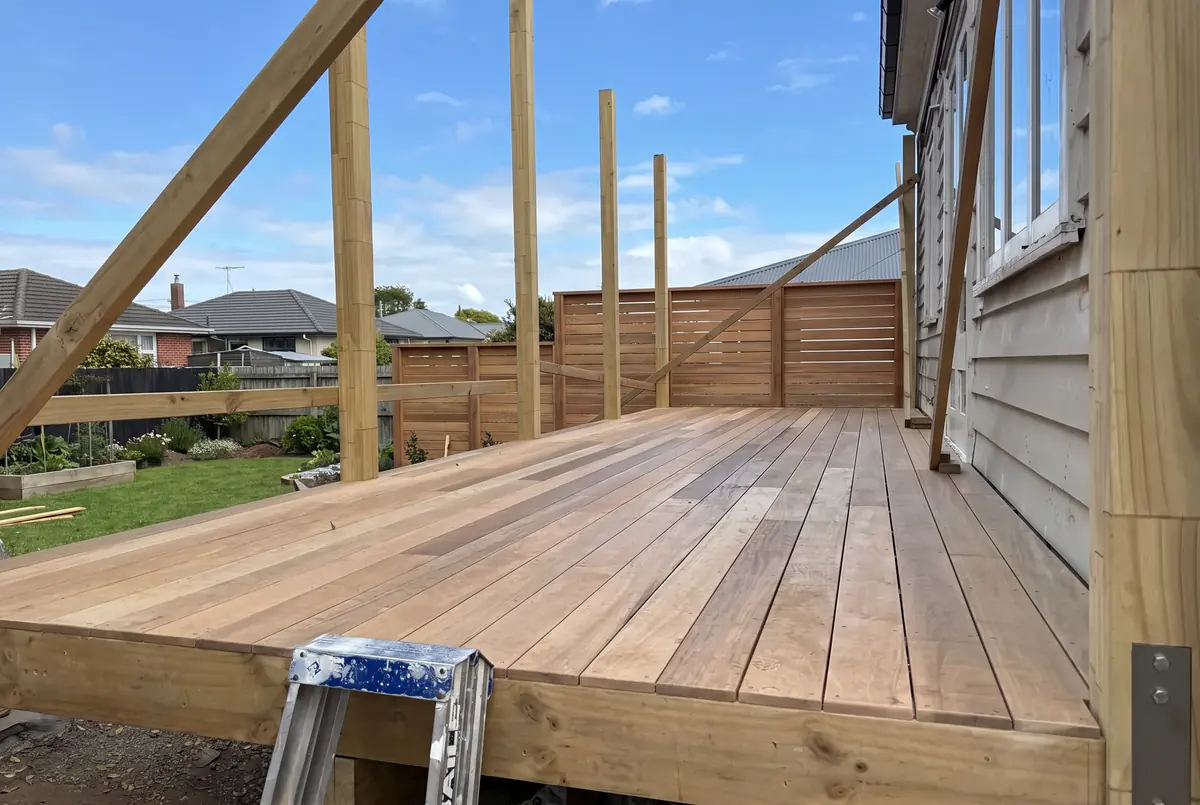
Picture an established fencing and decking business with a handful of staff. Winning work is not the problem. The owner is on the tools all day, then at the kitchen table until late doing quotes, invoices, payment chasing and emails.
What changes:
- Quoting: job details go in during the day, and ArcQuote builds the quote from the Fergus price book in minutes.
- Sales: ArcChase keeps every open quote in front of you with its next step, so Sunday nights are no longer for working out who to ring.
- Crew coordination: jobs, crews and materials stay in step through ArcSync, so the crew can see what is next instead of ringing the owner.
- One record: quote, job and invoice live in Fergus and Xero, so nobody retypes details between them.
How does an owner grow past being the bottleneck?
An owner grows past being the bottleneck by standardising the routine work so it no longer has to pass through them. Standard jobs get quoted from the price book, follow-up runs on its own, and job progress is visible to everyone. The owner’s time goes to complex jobs and client relationships.
Picture a paving and concrete business with enough enquiries to keep another crew busy. Every quote, schedule change and client question lands on the owner, so taking on more work would break the business. They turn work down and watch competitors grow.
What changes:
- Standard quoting: ArcQuote is set up around standard rates for common jobs such as driveways, paths and patios, so routine quotes go out without the owner building them. Unusual jobs still get the owner’s review.
- Job visibility: ArcPulse shows live cost against quote on every open job, so the owner sees which jobs need attention without ringing each site.
- Fewer choke points: with quoting and follow-up running in the background, the owner stops being the thing every quote and invoice waits on.
What do these businesses have in common?
All three businesses made the same five changes: faster quotes, systematic follow-up, professional presentation, live job information for the crew, and one source of truth from quote to invoice. Each change is small. Together they decide who gets the booking when several good contractors quote the same job.
Speed to quote
The time from site visit to quote drops from days to the same day. Every day of delay is a day for another quote to arrive first.
Systematic follow-up
Every quote gets a check that it arrived, a nudge about questions, and a final prompt before it goes cold. Persistent without being pushy.
Professional presentation
Clean, consistent quotes and emails. Clients judge how you will run their site by how you run the paperwork.
Live job information for the crew
The crew can see the schedule and job notes without calling the owner, so the owner stops being the switchboard.
One source of truth
Details are entered once and flow from quote to job to invoice inside Fergus and Xero, so there is less retyping and fewer errors.
What still depends on you?
A system handles the routine work. It does not replace good workmanship, fair pricing, or how you treat clients and staff. The businesses in these scenarios still do all of that. What changed is how little of their week goes on admin, which leaves more time for the parts that need them.
- Do good work. No system fixes poor workmanship.
- Price fairly. Faster quotes are not cheaper quotes.
- Talk to clients. The system handles the routine messages; you handle the relationship.
- Lead your team. Visibility helps, and leadership still matters.
Where should you start?
Start where you are losing the most, and fix one thing at a time. For most businesses that is either quote speed or follow-up, because both affect revenue within weeks. WorkArc builds the system inside the tools you already use and adds the next piece once the first is paying back.
- Losing quotes to slow turnaround: start with ArcQuote so quotes go out the same day.
- Quotes going quiet: start with ArcChase so every open quote stays in view with a clear next step.
- Drowning in evening admin: take quoting and follow-up off your plate together.
- Stuck at your current size: add ArcPulse so you can see every job without being on every site.
Sources
- Building and construction sector trends annual report 2023: executive summaryMinistry of Business, Innovation and Employment (MBIE)
- The Short Life of Online Sales LeadsHarvard Business Review, March 2011